










Sourcing Kitchenware from India: What International Buyers Should Know


India has quietly become one of the most trusted hubs for the global kitchenware trade, and for good reason. Between skilled artisans, established stainless steel clusters, and competitive manufacturing costs, sourcing kitchenware from India gives international buyers a rare combination of quality, scale, and value. But like any cross-border sourcing decision, it pays to understand the landscape before you place your first order.
Whether you’re a retailer, a distributor, or a private label brand looking to expand your product line, this guide walks you through what actually matters when sourcing kitchenware from India, from manufacturing hubs to compliance, pricing, and vendor selection.
Why Buyers Are Sourcing Kitchenware from India
India’s kitchenware manufacturing ecosystem is built on decades of craftsmanship combined with modern industrial capability. Cities like Jagadhri, Moradabad, and Wazirpur have long-standing reputations for stainless steel and metal kitchenware production, supported by a deep supply chain of raw materials, skilled labor, and export infrastructure.
For international buyers, sourcing kitchenware from India typically means access to:
- Competitive pricing without compromising on finish or durability
- A wide product range of stainless steel kitchenware
- Flexibility for both bulk retail orders and Private Labeling
- Shorter lead times compared to some other sourcing destinations
This combination is exactly why so many global brands are actively sourcing kitchenware from India rather than relying solely on traditional markets.
Key Factors to Evaluate Before Sourcing Kitchenware from India
Before you commit to a supplier, there are a few non-negotiables every buyer should check.
1. Manufacturing Capability vs. Trading Companies
Not every exporter you contact actually owns a factory. Some are trading intermediaries who outsource production, which can affect quality control, pricing transparency, and lead times. When sourcing kitchenware from India, it’s worth confirming whether you’re working directly with a manufacturer or a middleman, direct manufacturers generally offer better pricing and more control over customization.
2. Material Quality and Certifications
Kitchenware is a product category where material safety matters. Look for exporters who can provide documentation on stainless steel grades (such as 18/8 or 18/10), food-grade compliance, and relevant Certifications. This becomes especially important if you’re importing into markets with strict food-contact material regulations, such as the EU or North America.
3. Customization and Private Labeling
Many buyers today aren’t just looking for generic products — they want branded, differentiated kitchenware. A good exporter should support private labeling, custom packaging, and even product design tweaks. If branding is part of your strategy, ask about OEM Services upfront, as not every supplier offers this flexibility at low minimum order quantities.
4. MOQs and Production Timelines
Minimum order quantities vary significantly between suppliers. Established exporters with in-house manufacturing can often accommodate more flexible Bulk Orders, while smaller workshops may require higher MOQs to stay profitable. Clarify timelines early, especially around peak seasons like Q3 and Q4, when export demand typically spikes.
5. Export Documentation and Compliance
International trade involves paperwork, commercial invoices, packing lists, certificates of origin, and sometimes specific compliance certificates depending on the destination country. A reliable partner for sourcing kitchenware from India should handle this process smoothly and be transparent about Incoterms (FOB, CIF, EXW, etc.) so there are no surprises at customs.
Popular Kitchenware Categories Exported from India
When buyers think about sourcing kitchenware from India, a few categories consistently stand out:
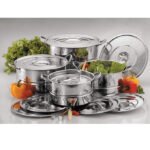
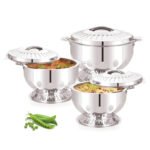
- Stainless steel cookware — pots, pans, kadhais, and tableware
- Copper and brass kitchenware — popular for both functional and decorative use
- Bakeware and baking tools
- Kitchen storage and organization products
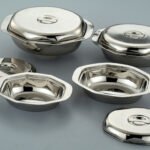
- Serveware and dinnerware sets
Each of these categories has its own manufacturing clusters and specialists, which is why working with an exporter who understands the full product landscape, rather than just one niche, can simplify sourcing significantly.
Common Mistakes International Buyers Make
Even experienced importers run into avoidable issues when sourcing kitchenware from India for the first time. A few recurring ones include:
- Choosing price over reliability — the cheapest quote isn’t always the most cost-effective once you factor in quality rejections or delays.
- Skipping sample approval — always request physical samples before confirming bulk production.
- Overlooking packaging requirements — export-ready packaging standards differ from domestic ones.
- Not clarifying payment terms early — LC, TT, or partial advance structures should be agreed upon before production begins.
Working with an experienced partner helps you avoid most of these pitfalls, since established exporters already understand international buyer expectations.
How to Choose the Right Exporter
When evaluating partners for sourcing kitchenware from India, prioritize exporters who offer:
- Transparent communication and quick response times
- Verifiable manufacturing facilities (ask for a factory visit or video walkthrough)
- Clear documentation on materials and compliance
- A track record of exporting to your target region
According to data from the export promotion council for handicrafts, India’s handicrafts and homeware export sector continues to see steady year-on-year growth, driven largely by demand from the US, UK, and European markets, a strong signal that the ecosystem supporting kitchenware exports is only maturing further.
Final Thoughts
Sourcing kitchenware from India isn’t just about finding a cheap supplier, it’s about finding the right manufacturing partner who understands quality, compliance, and the realities of international trade. With the right due diligence around certifications, customization options, and production capacity, buyers can build long-term, reliable supply chains rather than one-off transactions.
If you’re exploring sourcing kitchenware from India for your business, it helps to start with a partner who manufactures directly, supports private labeling, and has real export experience across multiple markets. That foundation makes scaling your product line far smoother down the line.
Looking to source high-quality kitchenware directly from an experienced Indian manufacturer? Contact Us to discuss your requirements and get a tailored quote.