










How to Import Kitchenware from India: Step-by-Step Guide


If you run a retail business, a hospitality chain, or an online store and you’re exploring new sourcing options, you’ve probably already realized why so many buyers choose to import kitchenware from India. India has built a strong global reputation for producing durable stainless steel cookware, non-stick pans, insulated storage items, and everyday kitchen essentials at prices that are hard to match elsewhere. But if this is your first time doing it, the process can feel overwhelming. This guide breaks it down into simple, practical steps so you can import kitchenware from India confidently and without costly mistakes.
Why Buyers Choose to Import Kitchenware from India
India has decades of manufacturing expertise in stainless steel, aluminum, and non-stick cookware production. Factories here combine skilled labor, established supply chains, and modern manufacturing standards, which is why so many international retailers choose to import kitchenware from India instead of sourcing from more expensive markets. Whether you’re looking for cookware sets, kitchen tools, or insulated storage wares, Indian manufacturers offer variety, competitive pricing, and export-ready compliance.
Step 1: Define Your Product Requirements
Before you import kitchenware from India, get specific about what you need. Are you looking for stainless steel cookware, non-stick pans, or storage and drinkware items? Do you need custom branding, private labeling, or OEM/ODM manufacturing? Knowing your exact product specifications, quantities, and target price range upfront will save you weeks of back-and-forth with suppliers later.
Step 2: Find a Reliable Kitchenware Exporter
This is the single most important decision when you import kitchenware from India. Look for exporters with an established track record, proper certifications (ISO 9001:2015, for example), and export recognition from Indian trade authorities. A supplier with decades of export experience across multiple countries is far less risky than a new, unverified vendor. Established exporters typically maintain in-house quality control, in-house tooling, and consistent production capacity, which matters a lot when you’re placing bulk international orders.
Step 3: Request Samples and Compare Quality
Never place a bulk order without first reviewing samples. Reputable suppliers who regularly import and export kitchenware from India will happily ship samples so you can inspect the material grade, finish, weight, and packaging quality. Pay close attention to stainless steel grade (304 vs. 202), coating durability on non-stick items, and overall construction. This step protects you from costly quality disputes after the shipment arrives.
Step 4: Understand Pricing, MOQ, and Payment Terms
Most manufacturers who export kitchenware from India work on a Minimum Order Quantity (MOQ) basis. Discuss pricing per unit, packaging costs, and payment terms (commonly 30% advance and 70% before shipment, though this varies). Ask for a detailed proforma invoice that breaks down product cost, packing, and freight so there are no surprises later.
Step 5: Handle Import Documentation
Every country has its own import regulations, but generally you’ll need a commercial invoice, packing list, bill of lading or airway bill, and a certificate of origin. Your Indian supplier should be able to provide these directly, especially if they are AEO (Authorized Economic Operator) certified, which speeds up customs clearance on both ends. For up-to-date compliance requirements, it’s worth checking your country’s customs authority as well as India’s official trade portal, DGFT (Directorate General of Foreign Trade), which governs India’s export policies.
Step 6: Choose the Right Shipping Method
When you import kitchenware from India, you’ll typically choose between sea freight (cost-effective for large volume orders) and air freight (faster but pricier, better suited for smaller or urgent shipments). Most kitchenware, especially bulky items like stainless steel cookware sets and storage wares, ships via sea freight in FCL (Full Container Load) or LCL (Less than Container Load), depending on your order size.
Step 7: Factor in Duties, Taxes, and Compliance
Import duties and taxes vary by country and product category (HS code), so confirm these figures before finalizing your order. Many experienced exporters can share the correct HS codes for items like non-stick cookware or stainless steel kitchen tools, helping you estimate landed costs accurately.
Step 8: Inspect the Shipment Before Final Payment
Before releasing final payment, consider third-party quality inspection, especially for large orders. This adds a layer of protection and confirms the goods match agreed specifications before they leave Indian ports.
Step 9: Build a Long-Term Supplier Relationship
Once your first order goes smoothly, many buyers continue to import kitchenware from India on a recurring basis because of the consistent quality, wide product range, and pricing advantage. A long-term relationship with a trusted exporter also opens doors to custom product development, better pricing tiers, and priority production slots. If you’re exploring a dependable partner for ongoing sourcing, it helps to work with an exporter that has a proven legacy, you can learn more about an established kitchenware export house here.
Common Categories Buyers Source When They Import Kitchenware from India
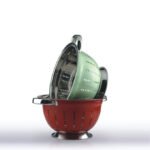
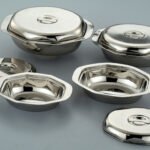
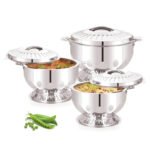
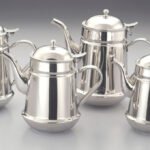
Buyers frequently source stainless steel cookware, kitchen tools, insulated hot pots and storage wares, non-stick and ceramic-coated cookware, and tableware. Diversifying your product mix across categories can also help you meet retail or hospitality demand more efficiently.
Final Thoughts
Learning how to import kitchenware from India doesn’t need to be complicated once you understand the process, from selecting a reliable exporter to managing documentation and shipping. With the right partner, you get access to quality products, competitive pricing, and export expertise built over decades. If you’re ready to import kitchenware from India for your business, working with an experienced, certified exporter makes the entire journey smoother and more profitable.