














Culture in the Kitchen: Traditional Techniques for Modern Cooks

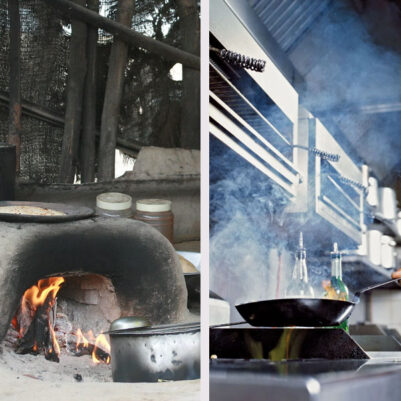
Clay Pot Cooking: Slow-Cooked Vegetable Stew in a Non-stick Stock Pot
Traditional Method: Clay pot cooking involves slow-cooking food in earthenware, which retains moisture and enhances flavors.
Non-stick Adaptation: Using a non-stick stock pot can simulate the moist cooking environment of a clay pot.
Example Dish: Moroccan Vegetable Stew
- Ingredients: Carrots, potatoes, chickpeas, zucchini, tomatoes, onions, garlic, ginger, spices (cumin, coriander, paprika), and vegetable broth.
- Steps: Brown onions, garlic, and ginger in the non-stick pot. Add vegetables, spices, and broth. Cover and slow-cook until vegetables are tender and flavors meld together.
Wok Stir-Frying: High-Heat Cooking in a Non-stick Wok
Traditional Method: Stir-frying in a carbon steel wok requires high heat and constant movement to cook food quickly.
Non-stick Adaptation: A non-stick wok ensures even heat distribution and prevents food from sticking.
Example Dish: Vegetable Stir-Fry
- Ingredients: Broccoli, bell peppers, snow peas, carrots, mushrooms, soy sauce, garlic, ginger.
- Steps: Preheat the wok, add a small amount of oil, and stir-fry garlic and ginger. Add vegetables and stir-fry until tender-crisp. Toss with soy sauce before serving.
Tagines: Slow-Cooking in a Non-stick Pot with a Tight Lid
Traditional Method: Tagines are conical clay pots used for slow-cooking stews, allowing flavors to blend beautifully.
Non-stick Adaptation: A non-stick pot with a tight lid can replicate the slow-cooking process of a tagine.
Example Dish: Vegetable Tagine with Apricots and Almonds
- Ingredients: Carrots, potatoes, zucchini, chickpeas, onions, garlic, apricots, almonds, spices (cumin, coriander, cinnamon), vegetable broth.
Steps: Brown onions, garlic, and spices in the non-stick pot. Add vegetables, apricots, almonds, and broth. Cover and slow-cook until vegetables are tender and flavors meld together.